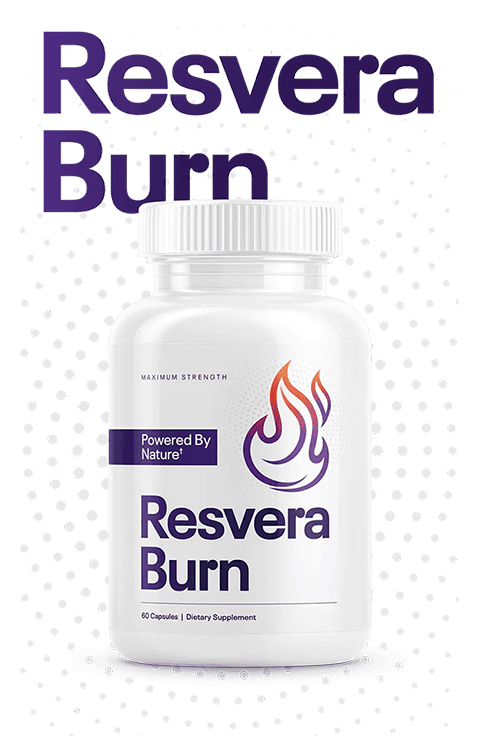
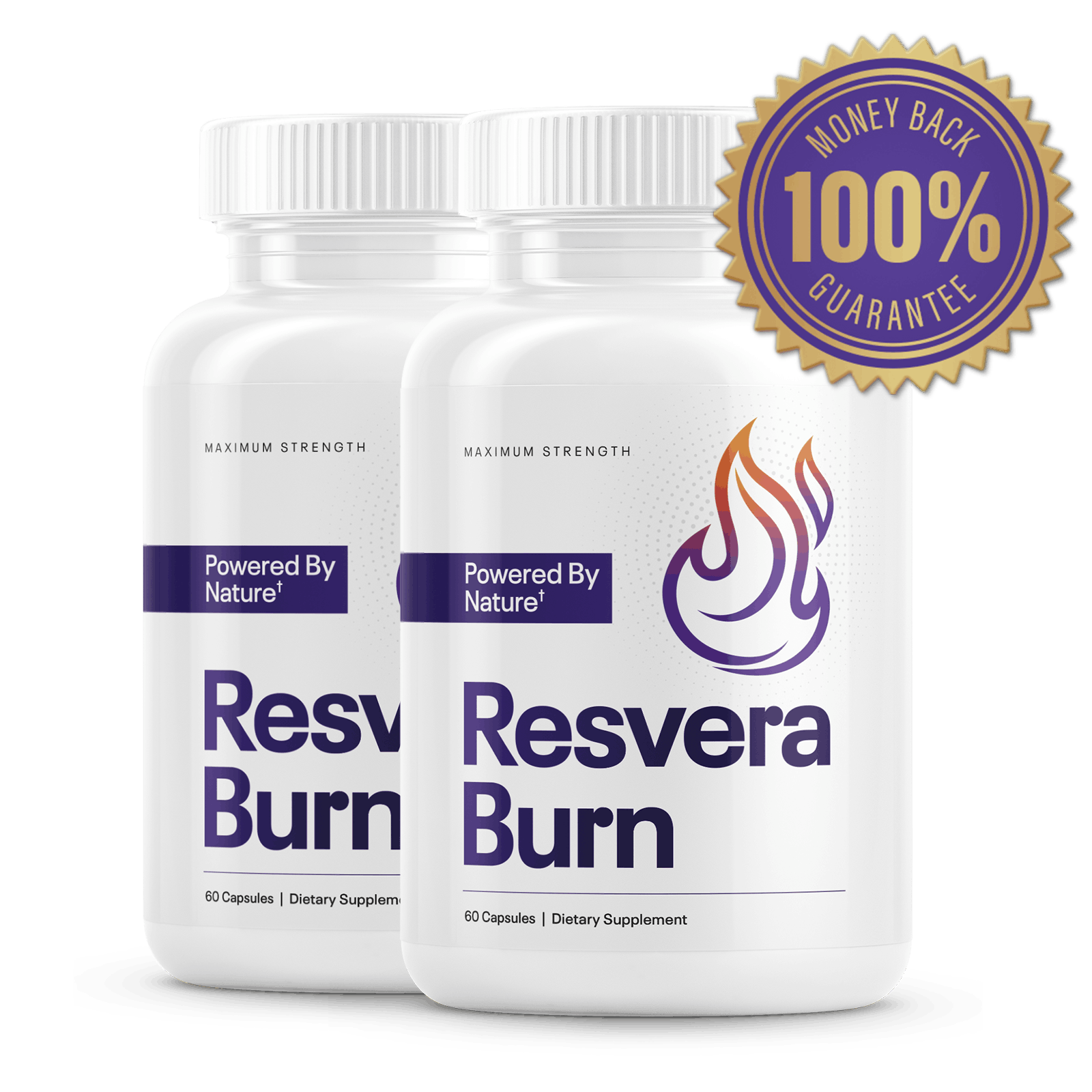
ResveraBurn is a multi-target dietary supplement addressing two primary physiological contributors to refractory weight gain in women: leptin resistance and impaired hepatic fat oxidation. Its stimulant-free formula is specifically engineered to restore the hormonal signaling and liver processing capacity that govern long-term fat metabolism.
Rather than relying on sympathomimetic amines or caloric restriction pressure, ResveraBurn addresses the upstream regulatory failures that cause persistent adiposity despite appropriate diet and exercise — offering a pharmacologically coherent approach to metabolic weight management.
View Current PricingSecure checkout · Fast delivery
Rated 5.0/5 by verified purchasers
Formulated and produced in the United States under 21 CFR Part 111 cGMP regulatory standards, ensuring validated manufacturing processes and batch-level quality control.

FDA facility registration ensures post-market safety oversight and compliance with DSHEA regulatory frameworks, distinguishing ResveraBurn from offshore supplement manufacturing.

GMP certification under NSF-equivalent auditing frameworks guarantees batch-to-batch consistency in ingredient concentration and capsule dissolution profiles — critical for reproducible clinical-adjacent outcomes.

All active compounds are sourced from non-GMO, vegan-certified botanical suppliers, processed without chemical solvents — minimizing excipient contamination and maximizing formulation purity.
Reserve ResveraBurn at Current Clinical Pricing
60 Day Supply

$79/ bottle
✔ 60 Days Guarantee
🛒 BUY NOW
$398 $158
+ $9.99 SHIPPING
180 Day Supply

$49/ bottle
✔ You Save $900!
✔ Optimal Administration Duration
✔ 60 Days Guarantee
🛒 BUY NOW
$1194 $294
+ FREE SHIPPING
90 Day Supply

$69/ bottle
✔ You Save $390!
✔ 60 Days Guarantee
🛒 BUY NOW
$597 $207
+ FREE SHIPPING
Leptin is a peptide hormone produced by adipocytes that communicates fat-store status to the hypothalamic arcuate nucleus, regulating appetite and energy expenditure via the JAK2-STAT3 signaling cascade. In leptin-sufficient states, elevated plasma leptin suppresses neuropeptide Y (NPY) and agouti-related protein (AgRP) — the orexigenic neuropeptides driving hunger — while stimulating pro-opiomelanocortin (POMC) expression to promote satiety and metabolic rate.
Leptin resistance — characterized by elevated plasma leptin with paradoxically absent hypothalamic response — develops through multiple overlapping mechanisms: impaired leptin transport across the blood-brain barrier, downregulation of leptin receptor expression, chronic activation of SOCS3 (a JAK2 inhibitor), and hypothalamic inflammation from oxidative stress and inflammatory cytokines including TNF-α and IL-6.
Concurrently, hepatic steatosis and oxidative burden impair the liver's capacity to perform beta-oxidation of fatty acids. The liver processes the majority of circulating non-esterified fatty acids; when its antioxidant and metabolic capacity is exceeded, lipid accumulation increases and systemic fat oxidation declines. ResveraBurn targets both pathways — hepatoprotection and leptin sensitivity restoration — simultaneously.
ResveraBurn operates through dual mechanistic pathways — hepatic detoxification support and anti-inflammatory leptin-sensitization — rather than relying on adrenergic or CNS-based stimulation. This non-stimulant architecture makes it appropriate for longer-duration use without the tachyphylaxis and dependency concerns associated with sympathomimetic weight management agents.
Hepatoprotective Pathway: Silymarin stabilizes hepatocyte plasma membranes and inhibits lipid peroxidation via free radical scavenging, while glutathione replenishes intracellular antioxidant reserves that are depleted during metabolic stress and lipotoxicity. Betaine donates methyl groups via the BHMT pathway, reducing hepatic fat accumulation by supporting phosphatidylcholine synthesis and very-low-density lipoprotein (VLDL) secretion — the mechanism by which the liver exports processed fats for peripheral utilization.
Leptin-Sensitizing Pathway: Genistein, a phytoestrogen isoflavone, downregulates hypothalamic SOCS3 expression and reduces NF-κB-mediated neuroinflammation — two of the primary molecular mechanisms driving central leptin resistance. By reducing the inflammatory microenvironment in hypothalamic nuclei, genistein may restore JAK2-STAT3 signaling sensitivity and allow physiological leptin to re-engage appetite and energy expenditure regulation. Molybdenum's role as a cofactor for sulfite oxidase and xanthine oxidoreductase supports clearance of reactive sulfur species and oxidative intermediates that contribute to systemic inflammatory load.

Minneapolis, Minnesota
"As an internist managing my own perimenopausal weight gain, I was interested in the hepatoprotective rationale behind ResveraBurn's ingredient stack. The silymarin and glutathione combination is pharmacologically coherent for supporting liver fat processing. After 10 weeks I lost 13 pounds and my next hepatic panel showed notable improvement in liver enzymes. The absence of stimulants is particularly appreciated — I have a long-standing sensitivity to adrenergic compounds."

Boston, Massachusetts
"I researched the genistein-SOCS3 connection before purchasing — the proposed mechanism for reducing central leptin resistance via NF-κB pathway modulation is plausible based on the available preclinical data. Eight weeks in I've lost 10 pounds with unchanged diet. I'm wearing it as a continuous monitoring experiment. Fasting leptin levels and appetite regulation are both subjectively improved. Formula holds up to scrutiny better than most supplement combinations I've reviewed."

Seattle, Washington
"I'm a pharmacist and evaluated the betaine content specifically for NAFLD-adjacent hepatic support. The methylation pathway support via BHMT is well-established in hepatology literature. I recommended it to my mother who had been struggling with post-menopausal weight gain for three years. After 12 weeks she's down 14 pounds and her GI specialist noted improvement in fatty liver markers on ultrasound. Impressive formulation for a consumer supplement."
Each compound is selected for a specific mechanistic role in hepatic function, oxidative stress reduction, or leptin pathway restoration — with supporting peer-reviewed evidence.
Silymarin's flavonolignan complex — primarily silybin, silydianin, and silychristin — stabilizes hepatocyte membrane integrity by inhibiting lipid peroxidation via direct free radical scavenging. It also upregulates hepatic glutathione levels and inhibits the hepatotoxic effect of reactive oxygen species. Multiple RCTs document improvements in ALT, AST, and hepatic steatosis markers in NAFLD populations, with meta-analyses confirming statistically significant effects on liver enzyme normalization.
Betaine functions as a methyl donor in the betaine-homocysteine methyltransferase (BHMT) pathway, converting homocysteine to methionine and supporting S-adenosylmethionine (SAM) synthesis. SAM is essential for hepatic phosphatidylcholine production, which is required for VLDL assembly and hepatic fat export. Clinical studies on betaine supplementation have demonstrated reductions in hepatic fat content and improvements in ALT in NAFLD subjects, with one RCT showing a 28% reduction in liver fat after 12 months.
Genistein is a tyrosine kinase inhibitor and phytoestrogen with documented NF-κB inhibitory activity. In the context of leptin resistance, genistein has been shown in preclinical models to reduce SOCS3 expression in hypothalamic tissue and restore JAK2-STAT3 pathway responsiveness. Its antioxidant and anti-inflammatory activity also addresses the hypothalamic inflammatory cascade that impairs leptin receptor sensitivity, potentially restoring central appetite regulation without pharmacological receptor agonism.
Molybdenum is the catalytic metal center of three essential mammalian enzymes: sulfite oxidase (SO), xanthine oxidoreductase (XOR), and aldehyde oxidase (AOX). Sulfite oxidase catalyzes the terminal oxidation of sulfite to sulfate — a detoxification reaction critical for normal sulfur amino acid catabolism. Molybdenum deficiency has been associated with sulfur compound accumulation and impaired metabolic clearance. At supplemental doses, molybdenum supports the enzymatic infrastructure underlying metabolic waste processing.
Glutathione (γ-L-glutamyl-L-cysteinylglycine) is the primary intracellular antioxidant, present at millimolar concentrations in hepatocytes where it neutralizes reactive oxygen species and supports phase II detoxification conjugation reactions. Hepatic GSH depletion is a primary feature of NAFLD and is mechanistically linked to accelerated lipid peroxidation and hepatocyte apoptosis. Oral glutathione supplementation has demonstrated bioavailability in clinical studies using reduced L-glutathione formulations, with improvements in hepatic steatosis markers and circulating oxidative stress biomarkers documented in peer-reviewed trials.
Produced under 21 CFR Part 111 Current Good Manufacturing Practice regulations with in-process identity testing, potency verification, and certificate-of-analysis validation per batch.
All botanical and mineral ingredients sourced from non-GMO, vegan-certified suppliers, processed without chemical solvents — minimizing contaminant co-ingestion and maximizing compound purity.
Unconditional 60-day money-back guarantee — return bottles within 60 days of purchase for a complete refund. No outcome verification required; no partial-credit structures.
Silymarin and glutathione reduce hepatic oxidative stress burden, supporting the mitochondrial electron transport chain function required for fatty acid beta-oxidation. A functional liver provides the primary mechanism by which stored fat is processed and released as systemic energy — independent of dietary fat restriction.
Genistein's anti-inflammatory activity in hypothalamic tissue targets the SOCS3-mediated suppression of JAK2-STAT3 signaling that characterizes leptin resistance. By reducing neuroinflammation, ResveraBurn may restore the hypothalamic responsiveness required for physiological appetite regulation and resting metabolic rate upregulation.
Betaine's methyl donation to the BHMT-SAM-phosphatidylcholine pathway supports VLDL particle assembly — the liver's primary mechanism for exporting processed triglycerides into circulation for peripheral utilization. Impairment of this pathway is a central contributor to non-alcoholic fatty liver disease and associated metabolic dysfunction.
Glutathione and silymarin together address both intracellular (hepatic) and circulating oxidative burden. Systemic oxidative stress is mechanistically linked to insulin resistance, adipokine dysregulation, and inflammatory adiposity — reduction of this burden improves the metabolic environment in which leptin and insulin signaling operate.
When leptin signaling is restored through reduced hypothalamic inflammation, the downstream effects on NPY/AgRP suppression and POMC activation produce physiological reductions in appetite drive — without the artificial receptor modulation or CNS overstimulation associated with pharmacological appetite suppressants.
Reserve ResveraBurn at Current Clinical Pricing
60 Day Supply

$79/ bottle
✔ 60 Days Guarantee
🛒 BUY NOW
$398 $158
+ $9.99 SHIPPING
180 Day Supply

$49/ bottle
✔ You Save $900!
✔ Optimal Administration Duration
✔ 60 Days Guarantee
🛒 BUY NOW
$1194 $294
+ FREE SHIPPING
90 Day Supply

$69/ bottle
✔ You Save $390!
✔ 60 Days Guarantee
🛒 BUY NOW
$597 $207
+ FREE SHIPPING

ResveraBurn is backed by a 100% money-back guarantee for 60 full days from your original purchase. If you are not satisfied with your outcomes for any reason, contact customer support via phone or email for a full refund within 48 hours of product return. Empty or unused bottles may be returned — no outcome documentation required, no partial-credit structures.
ResveraBurn's primary leptin-sensitizing mechanism is through genistein's anti-inflammatory activity on hypothalamic SOCS3 expression and NF-κB pathway modulation. SOCS3 is a JAK2 inhibitor that is chronically upregulated in leptin-resistant states; reducing its expression restores JAK2-STAT3 signal transduction downstream of the leptin receptor. This is distinct from increasing leptin production or using leptin receptor agonists — it addresses the post-receptor signaling impairment that defines leptin resistance.
Betaine donates a methyl group via BHMT to convert homocysteine to methionine, which is then converted to SAM (S-adenosylmethionine). SAM is the methyl donor for CDP-choline pathway activity, which produces phosphatidylcholine — an essential structural component of VLDL particles. VLDL is the primary vehicle by which the liver exports processed triglycerides for peripheral energy use. When phosphatidylcholine synthesis is insufficient, VLDL assembly is impaired and hepatic fat accumulates, which both reduces metabolic output and contributes to inflammatory lipotoxicity.
Earlier research raised concerns about gastrointestinal degradation limiting oral glutathione absorption. However, a 2015 randomized controlled trial published in the European Journal of Nutrition demonstrated that oral administration of reduced L-glutathione (250–1000 mg/day) significantly increased whole blood and erythrocyte glutathione concentrations after 6 months versus placebo. Sublingual and liposomal formulations show higher bioavailability; the efficacy of standard oral forms continues to be evaluated in ongoing clinical research.
Silymarin may modestly inhibit CYP2C9 and CYP3A4 at high doses, potentially affecting plasma concentrations of co-administered narrow-therapeutic-index drugs metabolized by these enzymes. Genistein's phytoestrogenic activity warrants caution in individuals with estrogen-receptor-positive malignancies or who are on hormone replacement therapy. Betaine supplementation may affect homocysteine monitoring in patients on methotrexate. Individuals on prescription medications should consult their prescribing physician before initiating any new supplement protocol.
ResveraBurn is available exclusively through the official product website, ensuring quality-verified, authentic product at the current promotional price. Third-party retailers cannot guarantee the formulation integrity or refund policy applicability.

Regular Price: $199/per bottle
Only for: $49/per bottle